
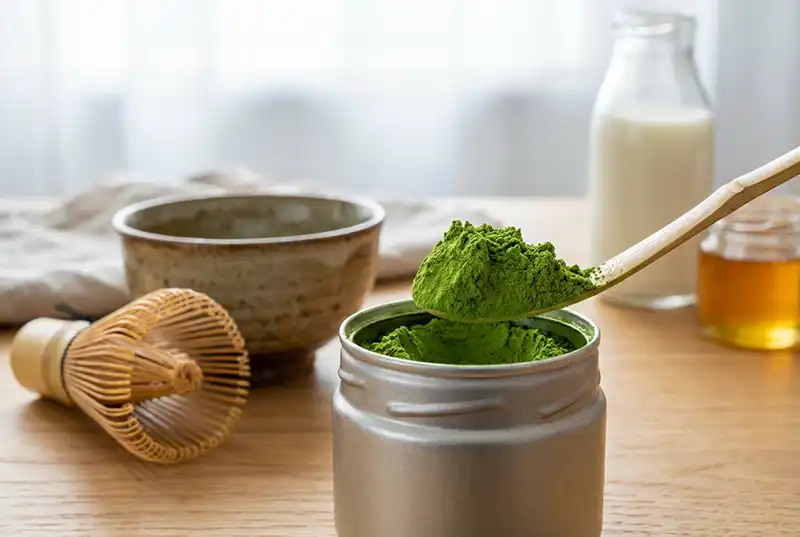
In the vibrant spectrum of beverage trends, few ingredients have achieved the cult status of Matcha. Once reserved for solemn tea ceremonies in Kyoto, this vibrant green powder has conquered the menus of coffee shops and bubble tea stores from New York to Paris. However, popularity brings saturation. Today, every shop offers a matcha latte, but 90 percent of them are serving a product that is bitter, dull, and gritty. For the discerning business owner, this gap in quality represents a massive opportunity.
Creating a Signature Matcha Latte is not just about mixing green powder with milk. It is a discipline that requires understanding the raw material, the chemistry of emulsion, and the delicate balance of flavor. A truly great matcha latte should be a symphony of vegetal freshness, creamy texture, and deep savory “umami” notes, with zero bitterness. As Mustea, your strategic partner in premium tea sourcing, we understand that to win the matcha game, you need more than just a supplier; you need a masterclass in preparation. In this guide, we will reveal the “Secret Recipe” to transforming this ancient ingredient into your shop’s most profitable modern classic.

Chapter 1 Understanding the Grades The Foundation of Flavor
The first secret is simple: you cannot make a five-star drink with one-star ingredients. Matcha is ground Tencha leaves, but the quality varies wildly depending on harvest time and processing.
Ceremonial Grade
Harvested from the very first flush of spring. The leaves are young, tender, and incredibly high in chlorophyll and amino acids. The color is a neon, electric green. The taste is sweet and savory with no bitterness. While expensive, using a “lower tier” ceremonial grade for your top-shelf lattes distinguishes you immediately from competitors using industrial dust.
Premium Culinary Grade
This is the sweet spot for most bubble tea shops. Harvested slightly later, it has a more robust flavor that can cut through milk and sugar. It is still vibrant green but comes at a more manageable price point. Mustea supplies high-end culinary matcha that balances cost and quality perfectly for commercial applications.
Industrial Grade
Avoid this. It is often yellowish-brown, harvested in autumn, and tastes like hay or bitter grass. Using this will force you to add excessive sugar to mask the taste, resulting in a low-quality, unhealthy drink that drives customers away.
Chapter 2 The Science of Umami and Shading
Why does good matcha taste savory? The secret lies in the shading process. About 3 to 4 weeks before harvest, the tea bushes are covered with shade nets to block 90 percent of sunlight. This forces the plant to overproduce chlorophyll (creating the intense green color) and L-Theanine (an amino acid).
L-Theanine is responsible for “Umami,” the savory fifth taste. It is also a relaxant that counteracts the jittery effects of caffeine. When you source authentic shaded matcha through Mustea, you are buying this chemical complexity. Your customers might not know the science, but their palate recognizes the difference between a rich, broth-like matcha and a flat, bitter green tea.
Chapter 3 The Tools Traditional vs Modern
To unlock the flavor, you must break up the clumps. Matcha powder is electrostatic; it loves to stick together.
The Chasen (Bamboo Whisk)
The traditional method uses a W-shaped motion to whisk air into the tea, creating a dense micro-foam. For high-end “Tea Houses,” performing this ritual in front of the customer adds theater and value.
The Electric Frother and Blender
For high-volume bubble tea shops, a Chasen is too slow. We recommend using a high-speed electric whisk or a specialized matcha blender. The goal is the same: suspension. Matcha does not dissolve; it suspends in water. You must agitate it violently to ensure a smooth texture. The “Secret” here is to sift the matcha before whisking. Mustea recommends keeping your daily supply in a sealed tin with a built-in mesh sifter to ensure every scoop is fine and loose.
Chapter 4 The Water Temperature Myth
The biggest mistake shops make is burning the matcha. Never use boiling water. Boiling water (100 degrees Celsius) scorches the delicate amino acids, instantly turning the flavor bitter and astringent. The ideal temperature for matcha is 75 degrees Celsius to 80 degrees Celsius. This temperature is hot enough to release the aroma but cool enough to preserve the sweetness. If you are making an iced latte, dissolve the powder in a small amount of hot water (shots) first to create a smooth paste, then add your cold milk and ice. Never try to mix matcha powder directly into cold milk; it will form unappetizing lumps.
Chapter 5 The Ratio The Golden Formula
What is the perfect ratio for a Signature Matcha Latte? Through testing in our R&D labs, Mustea has developed a “Golden Ratio” for a standard 500ml (16oz) cup.
The Mustea Protocol:
- Matcha Base: 6g of Premium Matcha Powder + 60ml of Water (80°C). Whisk until frothy.
- Sweetener: 20ml of Cane Sugar Syrup or Honey. (Matcha needs a little sweetness to pop, but not too much).
- Milk Base: 200ml of Fresh Whole Milk or Oat Milk.
- Ice: Fill to the top.
Using 6 grams ensures a potent green color and a flavor that remains distinct even after the ice melts. Many shops cheap out and use only 3 grams, resulting in a pale, milky drink that tastes like “green milk” rather than “Matcha Latte.”
Chapter 6 The Art of Layering
Visuals sell. A “Signature” drink must look the part. The secret to the Instagram-famous two-tone look (green on top, white on bottom, or vice versa) is sugar density. Sugar makes liquid heavier. To create a floating green layer:
- Mix the sugar into the milk at the bottom. Add ice.
- Whisk the matcha with pure water (no sugar).
- Gently pour the matcha shot over the ice. Because the sweetened milk is denser, it stays at the bottom, while the unsweetened matcha floats on top, creating a beautiful gradient.
Chapter 7 Menu Innovations Beyond the Classic
Once you master the classic, it is time to innovate. Matcha pairs exceptionally well with other flavors.
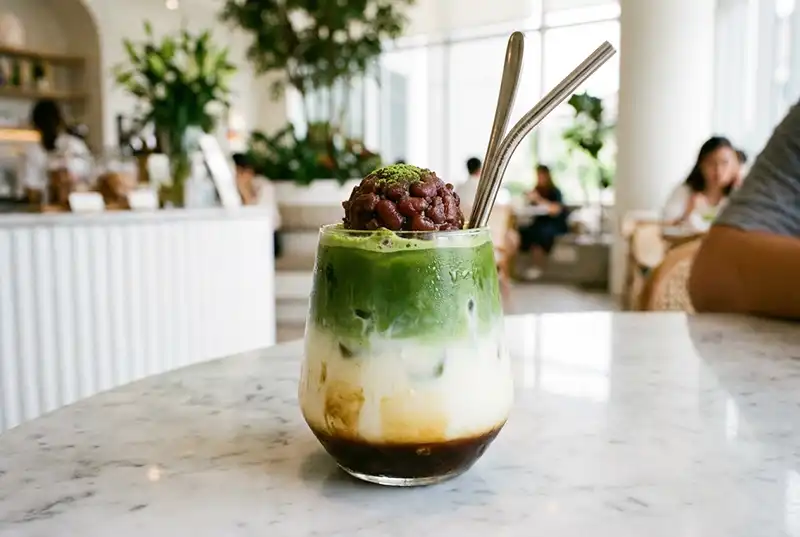
Strawberry Matcha Latte
The acidity and sweetness of strawberry purée at the bottom of the cup contrast perfectly with the earthy bitterness of the matcha on top. It is a Christmas-colored bestseller year-round.
Matcha Mango
A tropical twist popular in Southeast Asia. The creamy texture of mango blends seamlessly with the vegetal notes of matcha.
Dirty Matcha
Add a shot of espresso to a matcha latte. The roasted coffee notes and the grassy tea notes create a complex, high-caffeine energy drink that appeals to coffee lovers transitioning to tea.
Chapter 8 Cost Analysis vs Perceived Value
Let us talk business. Authentic matcha is expensive. A kilo can cost $40 to $100 depending on quality. If you use 6g per cup, your cost per serving is higher than a scoop of taro powder. However, the Perceived Value of matcha is incredibly high. Customers expect to pay $6.00 to $8.00 for a real matcha latte. The Math: Cost of 6g Matcha: $0.40 Cost of Milk + Cup: $0.50 Total Material Cost: $0.90 Retail Price: $6.50 Margin: 86 percent. Despite the higher ingredient cost, the high retail price protects your margin. Do not try to save pennies on cheap powder; you will lose the dollars in retail price power.
Chapter 9 Storage The Enemy is Air
Matcha is essentially alive. Once ground, it oxidizes rapidly. Air, light, heat, and moisture are its enemies. Oxidized matcha turns a dull olive-grey color and tastes metallic. Mustea’s Storage Rules:
- Keep bulk inventory in the freezer until opened.
- Once opened, store in an airtight, opaque tin in the fridge.
- Use within 4-6 weeks of opening. Never leave a clear jar of matcha sitting on the counter in direct sunlight. It will ruin the product in a matter of days.
FAQ
Q1 What is the difference between Japanese and Chinese Matcha?
Historically, Japan perfected the steaming and shading process that creates the vibrant green color and umami taste. Chinese matcha is often pan-fried (like green tea), resulting in a duller color and more astringent taste, though production quality in China is improving rapidly. Mustea sources from top-tier estates to ensure Japanese-level quality.
Q2 Can I pre-mix matcha with water for speed?
You can make a “concentrate” for the lunch rush, but it must be kept cold and used within 2-3 hours. After that, the matcha will oxidize and settle at the bottom, losing its fresh flavor. Freshly whisked is always best.
Q3 Why is my matcha latte lumpy?
This happens if you add powder directly to cold liquid or if you do not sift the powder. Always whisk with a small amount of warm water first to create a smooth “slurry” paste before adding the rest of the liquid.
Q4 Is Matcha high in caffeine?
Yes. Because you are consuming the whole leaf (not just the infusion), you get a higher dose of caffeine than steeped tea. However, the L-Theanine creates a “calm alert” state, avoiding the jitters associated with coffee.
Q5 Does Oat Milk work with Matcha?
Ideally. Oat milk is the best plant-based pairing for matcha. Its natural sweetness and grain-like flavor complement the grassy notes of the tea perfectly. “Oat Matcha Latte” is a top seller in Europe and the US.
Q6 How can I tell if matcha is bad?
Look at the color. If it is brownish-green or yellow, it is old or low quality. Smell it. It should smell like fresh baby spinach or seaweed. If it smells like stale hay, discard it.
Q7 Do I need a bamboo whisk Chasen for my shop?
For high volume, an electric frother is more practical and sanitary. However, using a Chasen for “Dine-In” customers creates a premium experience that justifies a higher price.
Q8 What is “Blue Matcha”?
Blue Matcha is not tea; it is ground Butterfly Pea Flower. It has no caffeine and tastes earthy/woody. It is used for color, not for the matcha flavor. Real matcha is always green.
Q9 Why is ceremonial grade so expensive?
It requires shading (labor intensive), hand-picking of only the youngest leaves, and slow stone-grinding (30g takes one hour to grind). You are paying for the craftsmanship and low yield.
Q10 Can Mustea create a custom matcha blend for me?
Yes. We can blend matcha with natural flavorings (like vanilla or cherry blossom) or adjust the grade mixture to hit a specific price point while maintaining a bright green color for your franchise.
Summary
The secret to a Signature Matcha Latte is respect. Respect for the ingredient, the temperature, and the process. It is a drink that cannot be faked. In a market flooded with sugary, dull-green drinks, serving a vibrant, umami-rich, authentic matcha latte establishes your brand as a serious player. At Mustea, we treat matcha with the reverence it deserves. We ensure our supply chain maintains the cold chain from the factory to your door, guaranteeing that the powder you receive is as fresh as the day it was ground. Elevate your menu with the power of green.
Are you ready to serve the best green tea in town? Contact Mustea today to request samples of our Premium Culinary and Ceremonial Grade Matcha.

